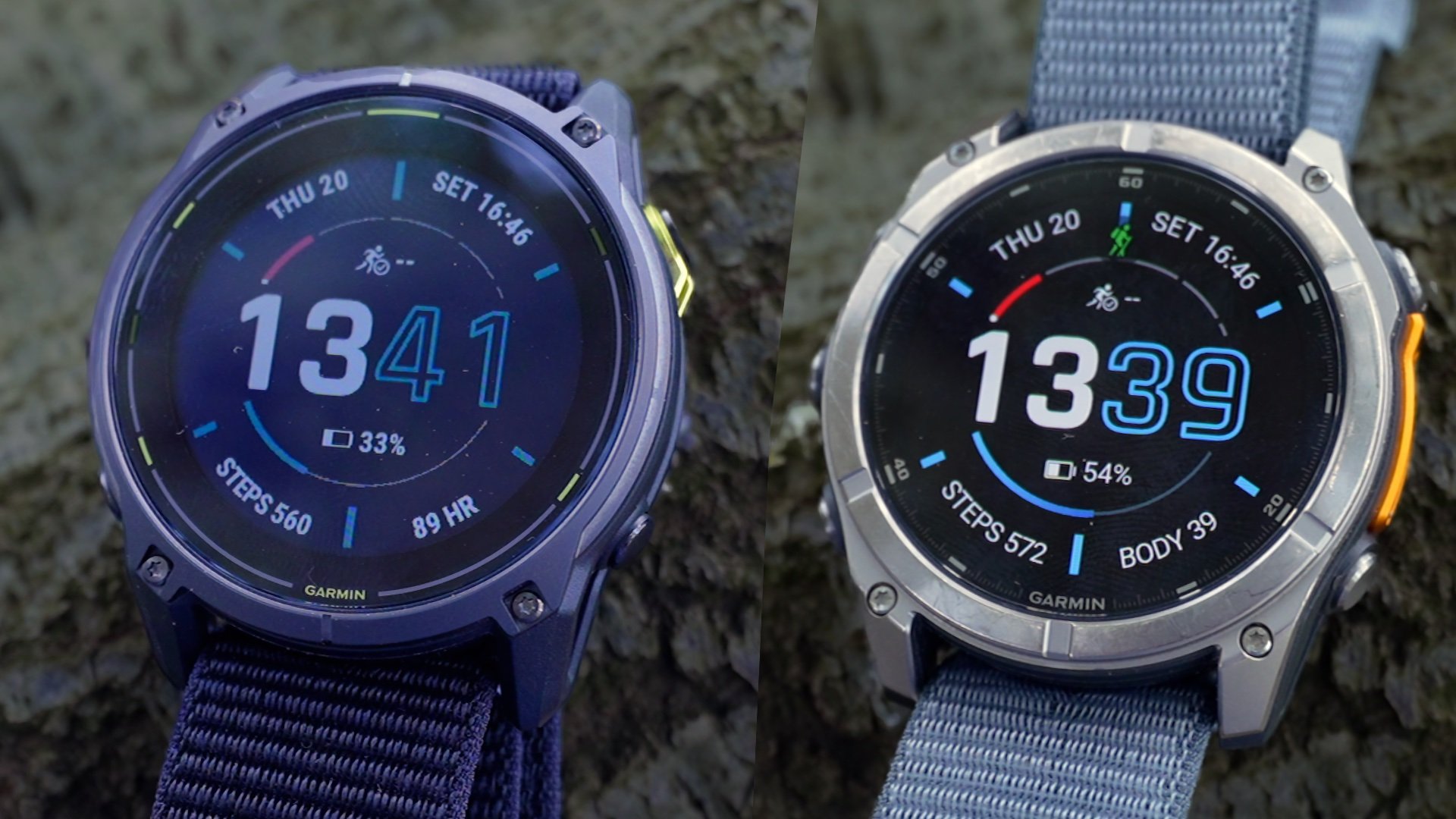
Enduro 3 vs Fenix 8: Which is Better Outdoors?
On paper, the Enduro 3 and Fenix 8 look very similar. But after hiking with both in real conditions like desert sun and shaded forest, there are pros and cons for both. In this guide, I’ll show you where they differ, what actually matters outdoors, and which one makes more sense for the way you hike.
Best Fenix 8 Price: Amazon - REI
Best Enduro 3 Price: Amazon – REI
No Sponsors, No AI
I didn’t accept a free Enduro 3 or Fenix 8 from Garmin. I bought them with my own money so I could share honest observations, not marketing bullet points. If you’d like to support independent, ad-free reviews like this, you can join me on Patreon or use my affiliate links above. Every bit helps keep the site going.
Battery Life & Charging
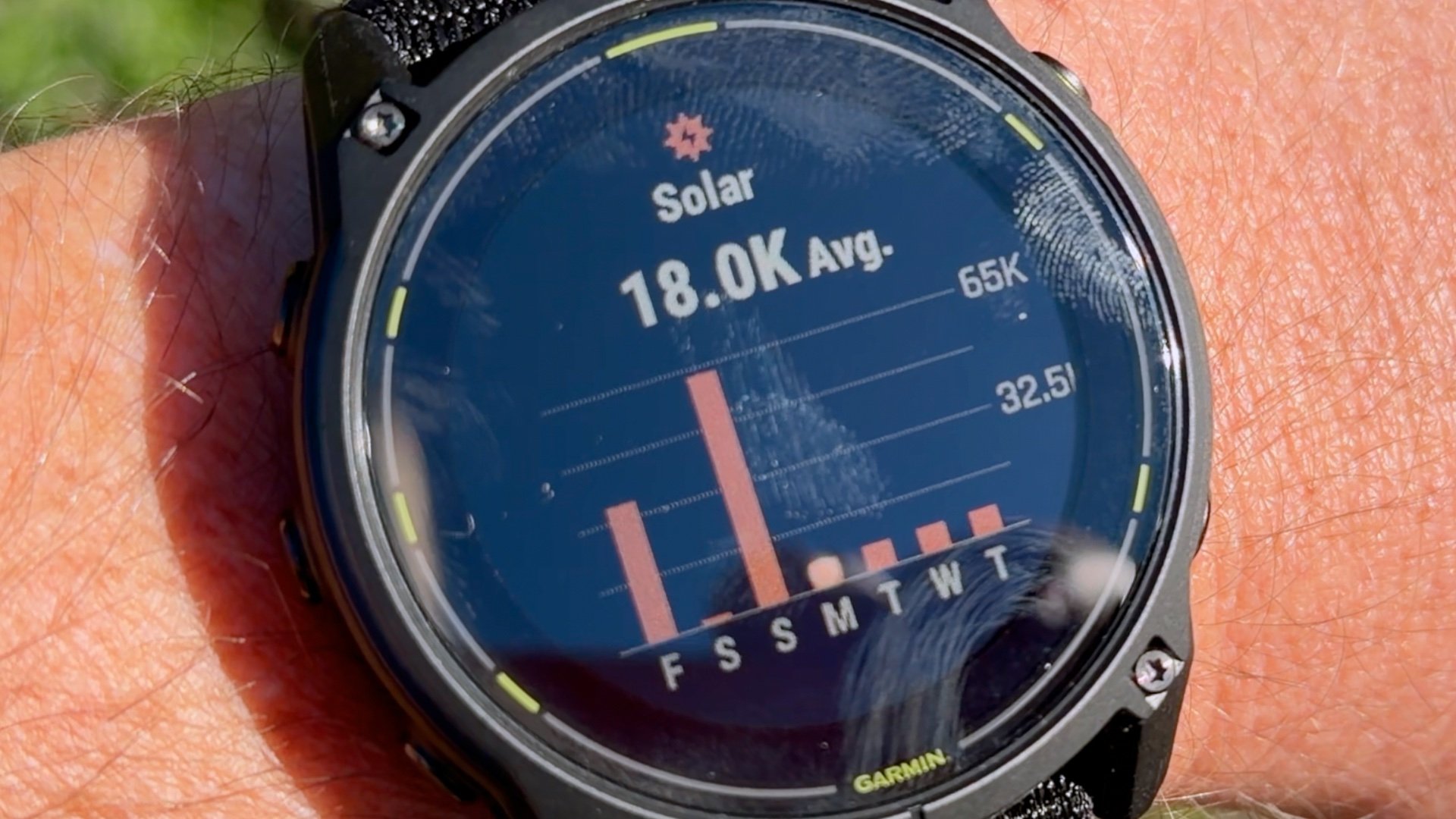
The biggest difference between the Enduro 3 and Fenix 8 AMOLED is battery life. The Enduro’s MIP screen and efficient design give it a big advantage, especially if you're outdoors in the sun. I charge it every 3–4 weeks with moderate hiking use. The more time in direct sunlight, the longer it lasts.
Solar isn't going to charge the Enduro to full, but it will offset normal battery drain. Garmin tracks solar charging by measuring lux, and for about 50,000 lux hours, you’ll offset roughly 1% of battery use. The ideal setup is taking the watch off and pointing it straight at the sun, but on your wrist, moving in and out of shade, you’ll generally get much less than ideal charging.
The Fenix 8 AMOLED, while still respectable, just can’t match that type of battery life. AMOLED uses more power, especially even with Always-On display turned off. You’ll likely be charging it every 5 to 10 days, depending on how often you track activities.
Note: These battery numbers reflect my real-world average drain measurements with typical hiking settings: heart rate on, map use, pulse ox off, AOD off, occasional backlight.
| Use Case | Enduro 3 | Fenix 8 51mm AMOLED | Fenix 8 47mm AMOLED |
|---|---|---|---|
| Smartwatch mode (per day) | 2–5% | 4–8% | 5–9% |
| GPS only (per hour) | 0.7–1.0% | 1.0–1.2% | 1.3–1.6% |
| All Systems + Multiband (per hour) | 1.5–1.7% | 1.6–1.9% | 2.0–2.4% |
| Typical charging cadence | Every 3–4 weeks | Every 5–10 days | Every 4–7 days |
Display & Visibility
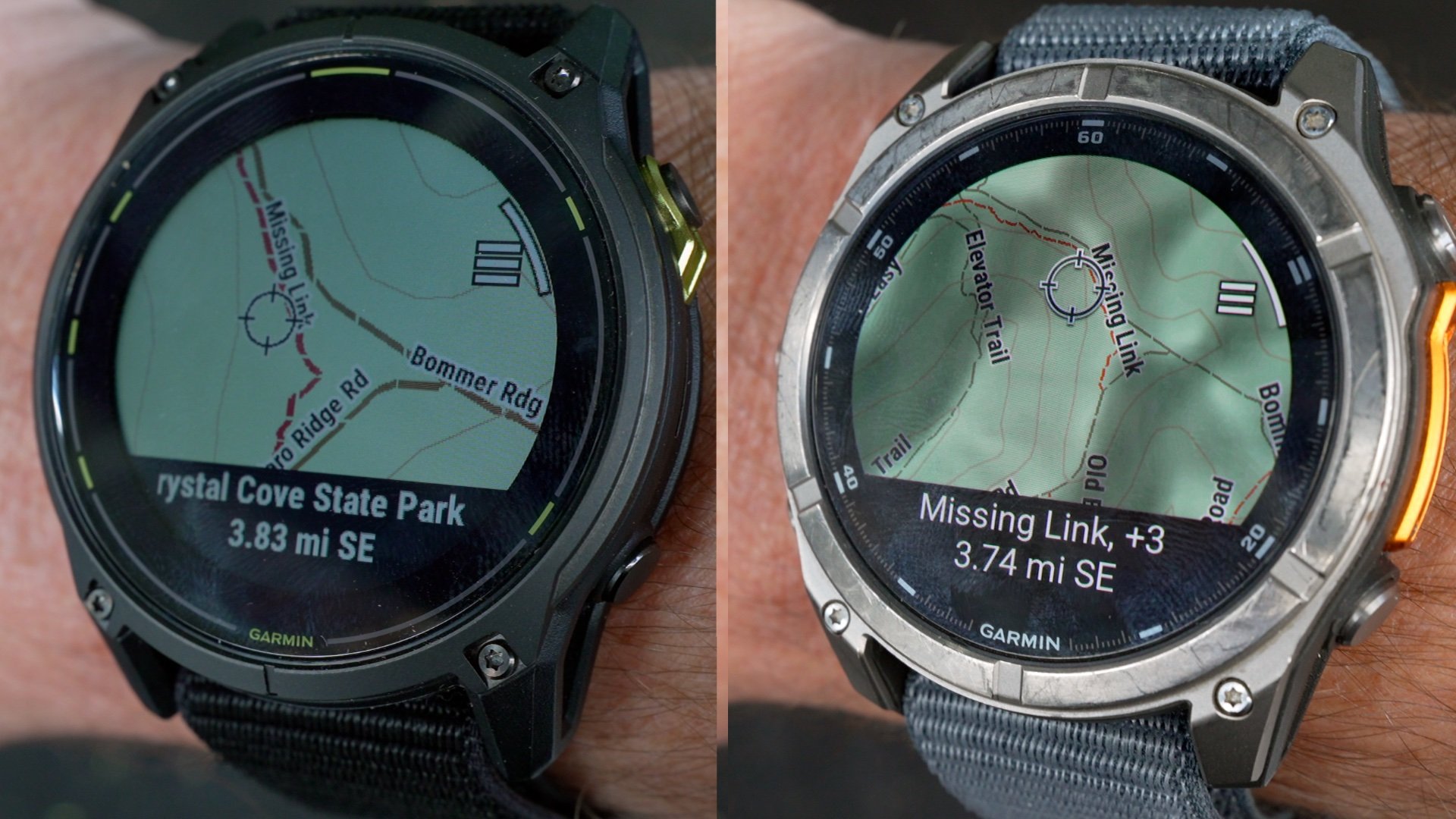
The Fenix 8 AMOLED screen looks great, with over 64,000 colors, 1000 nits of brightness, and a 454×454 pixel resolution. I've seen some comments about it being hard to see in direct sunlight, but I didn’t find that to be the case. Maps look sharp and detailed, offering more context than the Enduro 3, slopes show up not only with contour lines but also with shading. I don’t make serious navigation decisions on a tiny watch screen, but the extra detail gives a better sense of the surrounding terrain.
To maximize battery life on the Fenix 8, I use gesture mode, where the screen stays off until you flick or raise your wrist. There’s a slight delay to wake the display, longer than on an Apple Watch, but you get used to it. You can also leave the screen always on, but unless you’re staring at it all day, it’s mostly a waste of battery.
The Enduro 3 uses a transflective (MIP) screen that’s always on. It relies on ambient light, so in bright sun it looks great. You’ll sometimes need to tilt your wrist to get the viewing angle just right though. In shade or low light, you’ll likely use the backlight, which can be set to trigger on gesture or button press. The screen is sharper than older Garmin MIP models like the Fenix 7 and Enduro 2.
Side by side with the Fenix 8, the Enduro’s display looks washed out, with about 64 colors and a 280×280 pixel resolution. That said, it’s perfectly fine for reading data fields and navigating maps on the trail. If you're mainly looking at numbers, the amount of colors doesn't matter much.
When I wore both side by side, I’d always instinctively look at the AMOLED first. It’s a nicer experience, but maybe not a mission-critical feature for the outdoors.
Comfort & Fit
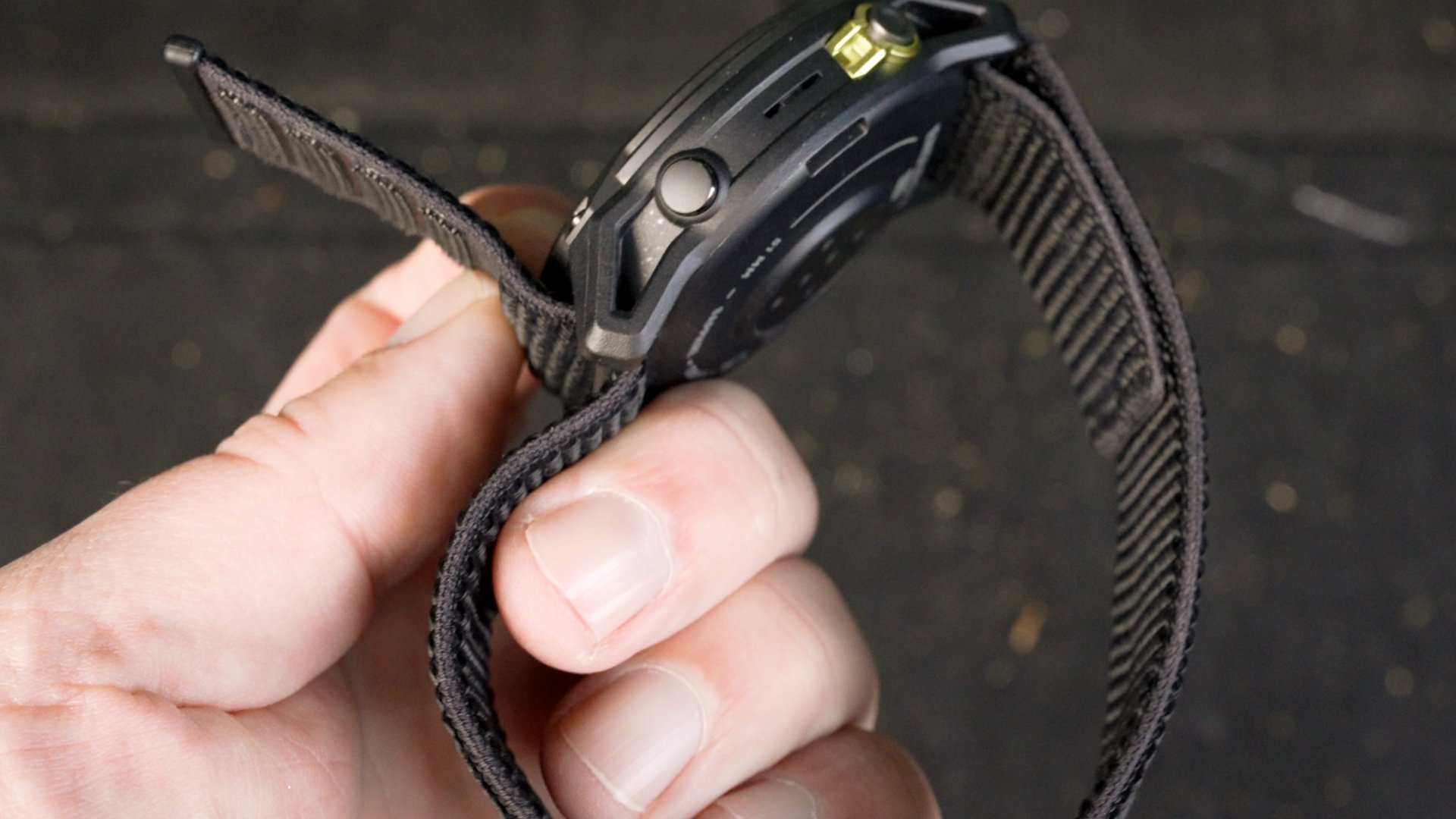
On paper, the Enduro 3 is only a few grams lighter than the 51mm Fenix 8, but it feels much lighter on the wrist. It’s better balanced, and the nylon Ultrafit band is a big reason. The velcro gives you precise tension and dries quickly. I liked it enough to buy one for my Fenix 8, and it made a big difference in how that felt.
The QuickFit band Garmin ships with the Fenix is just a standard silicone strap with a fancy name. It's okay, but the nylon Ultrafit band was the clear winner here.
Stability & Bugs
When the Fenix 8 first came out, it had its share of bugs, more than the Enduro 3. The Enduro wasn’t perfect either, but it was noticeably more stable out of the box. Today, after many firmware updates, I’d say both are generally reliable. That said, Garmin has a habit of introducing new quirks with updates, and because the Fenix has more features and complexity, it’s more exposed to those hiccups. The Enduro feels simpler and a bit more immune to new issues.
Other Features
Both watches share the same Garmin UI, mapping, tracking, and health features. Core navigation works identically. The Fenix 8 adds a mic and speaker for taking calls and using Siri/Google Assistant when your phone’s nearby. It also supports diving.
These extras are nice to have, but not essential for hiking. I’ve used the voice assistant occasionally to engage Siri when my phone is buried in my pack, but it’s nowhere near as integrated as a Pixel or Apple watch. The dive feature only matters if you need it. For hiking and backpacking, none of those sway the decision.
Which Should You Get?
If you want maximum battery and don’t care about AMOLED, the Enduro 3 is the clear winner. It does everything the Fenix does outdoors, lasts longer, and costs less. It’s the better value, and in a lot of ways, the better overall hiking watch. Having used Fenix watches since the 3, the Enduro 3 feels like the natural evolution of that line: focused, durable, long-lasting, and designed for the outdoors.
If you’re coming from an AMOLED watch like the Epix or Apple Watch, the Fenix 8 might feel more familiar. The screen is easier on the eyes, and the battery is still solid, especially when compared to an Apple Watch. Just don’t expect Enduro levels of runtime.
If you want a Fenix-style experience with AMOLED and don’t need diving or voice features, the Forerunner 970 is worth a look. It’s lighter, cheaper, and shares most core features, but lacks when it comes to battery life for multi-day trips.
And if you don't care about maps and just want a durable watch to track hikes, do some limited navigation, and track your health, the Garmin Instinct 3 is a great option.