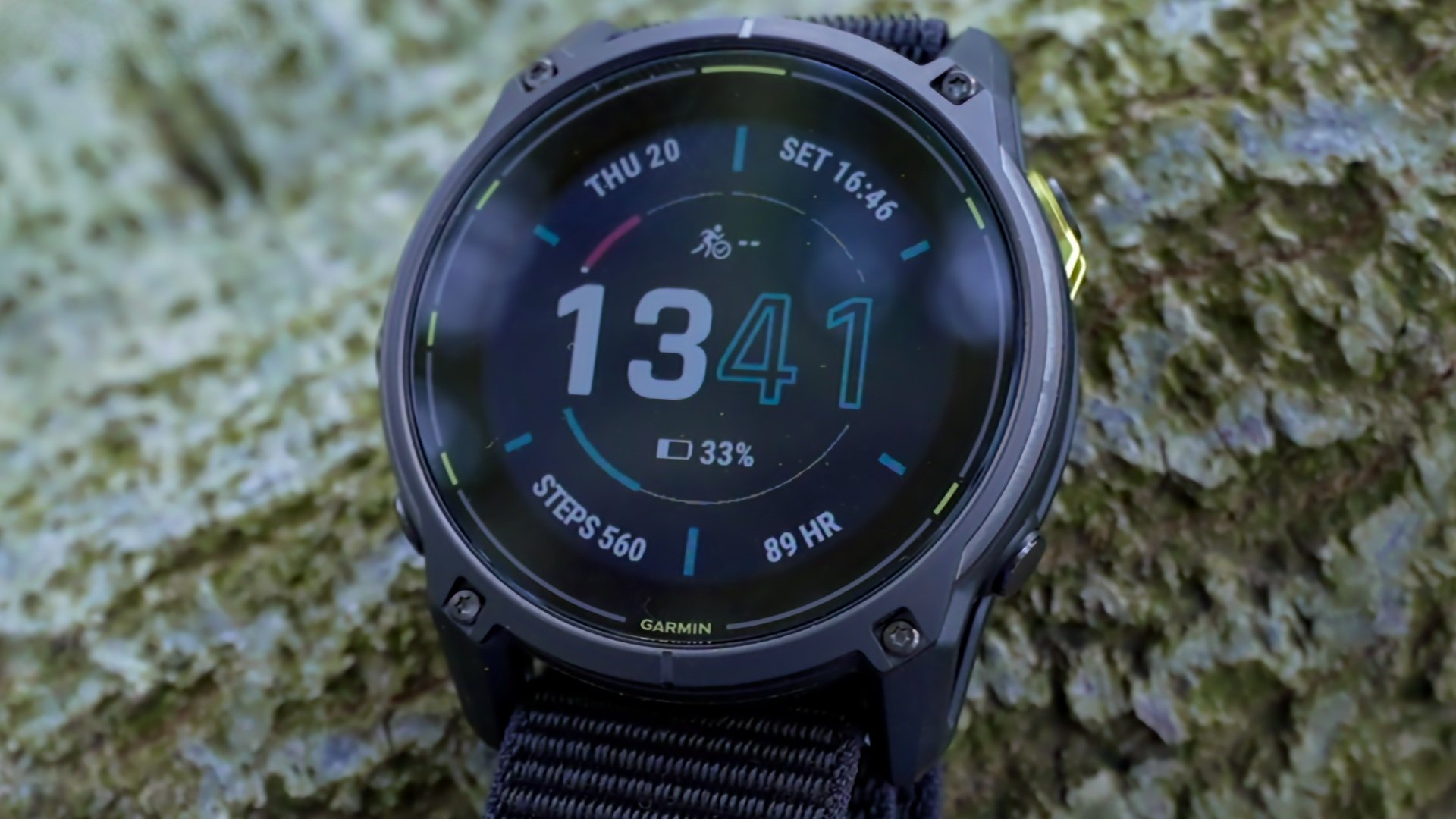
Garmin Enduro 3 Review: The Best Backpacking Watch
The Garmin Enduro 3 is the best backpacking watch you can buy in 2025. It lasts for weeks, handles rough conditions, tracks your location with full offline maps, and even helps you decide whether to push on or take a zero. Garmin markets it to ultrarunners, but for thru-hikers and backpackers, it might be an even better fit.
No Sponsors, No AI
I didn’t accept a free Enduro 3 from Garmin. I bought it with my own money so I could share honest observations, not marketing bullet points. If you’d like to support independent, ad-free reviews like this, you can join me on Patreon or use my affiliate links above. Every bit helps keep the site going.
Weeks Long Battery Life
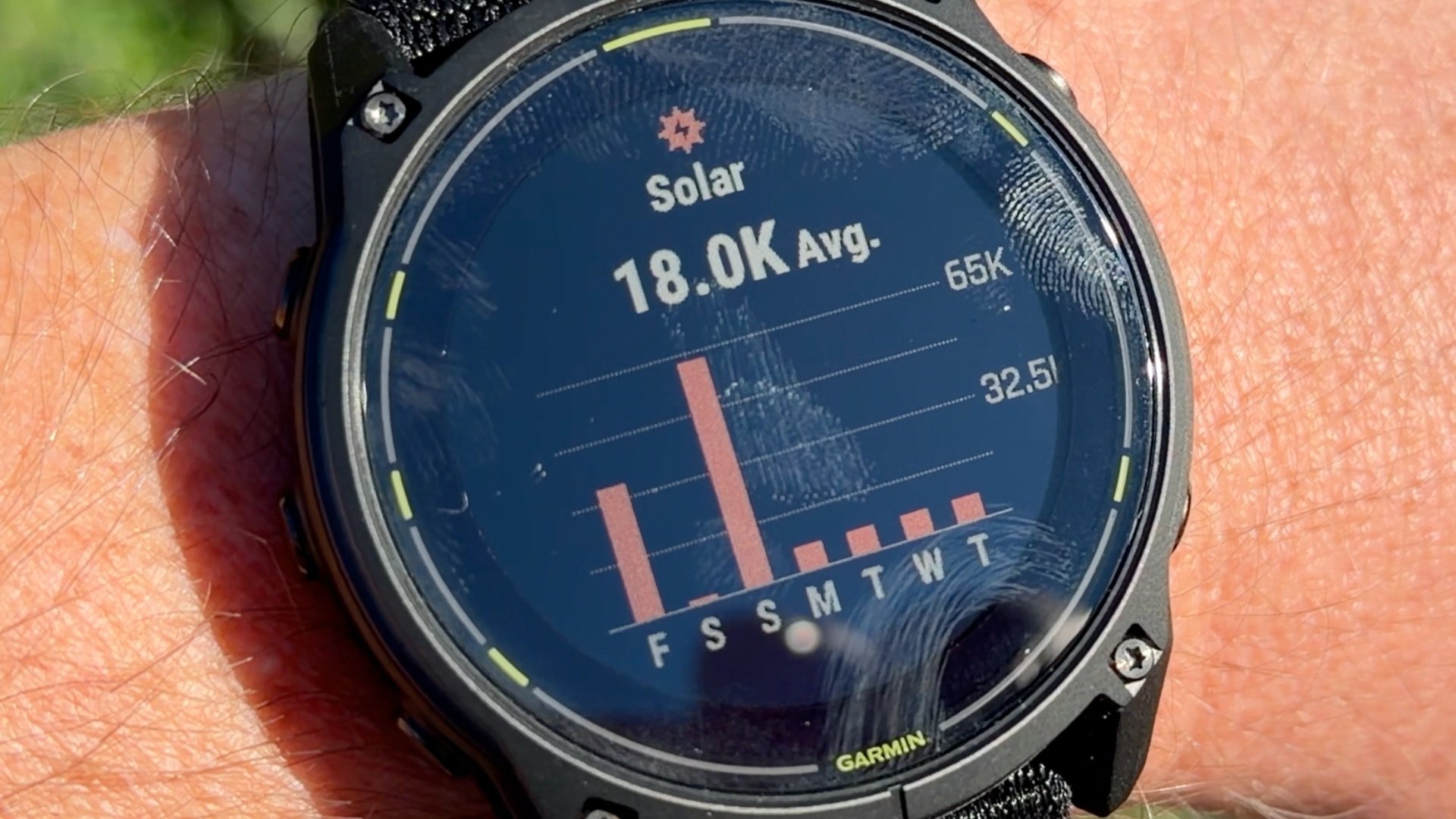
The Enduro 3’s battery life is a huge asset. It lasts weeks between recharging, meaning you can focus on the trail and not have to worry about powering another device. The MIP screen uses very little power, and the solar ring can offset a surprising amount of drain in full sun. For example, in ideal solar conditions, tracking with GPS only, you Garmin says you can get up to 320 hours of activity tracking. So over a month of tracking 10 hour days. That's not typical, but probably the ceiling of what's possible.
The Enduro tracks solar input in lux hours, and it's important to know there's a lot of variability here.
- Direct peak summer sunlight can give you 100k+ lux per hour.
- If the watch is on your wrist, moving perhaps in and out of sunlight, partially covered by your sleeve, the number of lux hours can go down considerably.
- Natural solar lux can drop to 1,000 lux on overcast days
For each 40-50k of lux hour that you put in, you will roughly offset 1% of battery drain. In hiking with GPS only tracking these are the rough numbers I'm getting.
| Condition | Drain per Hour | Typical Daily Drain (mixed use) | Estimated Hiking Days per Charge |
|---|---|---|---|
| No sun (forest/cloud) | 1–2% | ~15% | ~6–7 days |
| Mixed sun/shade | 0.5–1.0% | ~10% | ~8–10 days |
| Bright sun (above treeline) | 0.3–0.8% | ~3–8% | ~10–12+ days |
If you are just wearing the watch without tracking an activity, you can expect 30-45 days of life in mixed conditions. If you take the watch off on a sunny day and just leave it pointed directly at the sun, you can actually put 1-2% back into it. That's not a scenario I do in real life, but if you were taking a zero above the tree line on a sunny day, you could buy yourself some battery life by leaving it off in the sun.
When you do need to charge properly, it charges nicely from low-output packs like those from Nitecore and Anker. From 10% to 99% takes about two hours. Garmin gives you a proprietary USB-C charger that works with most of their watches.
Maps & Navigation
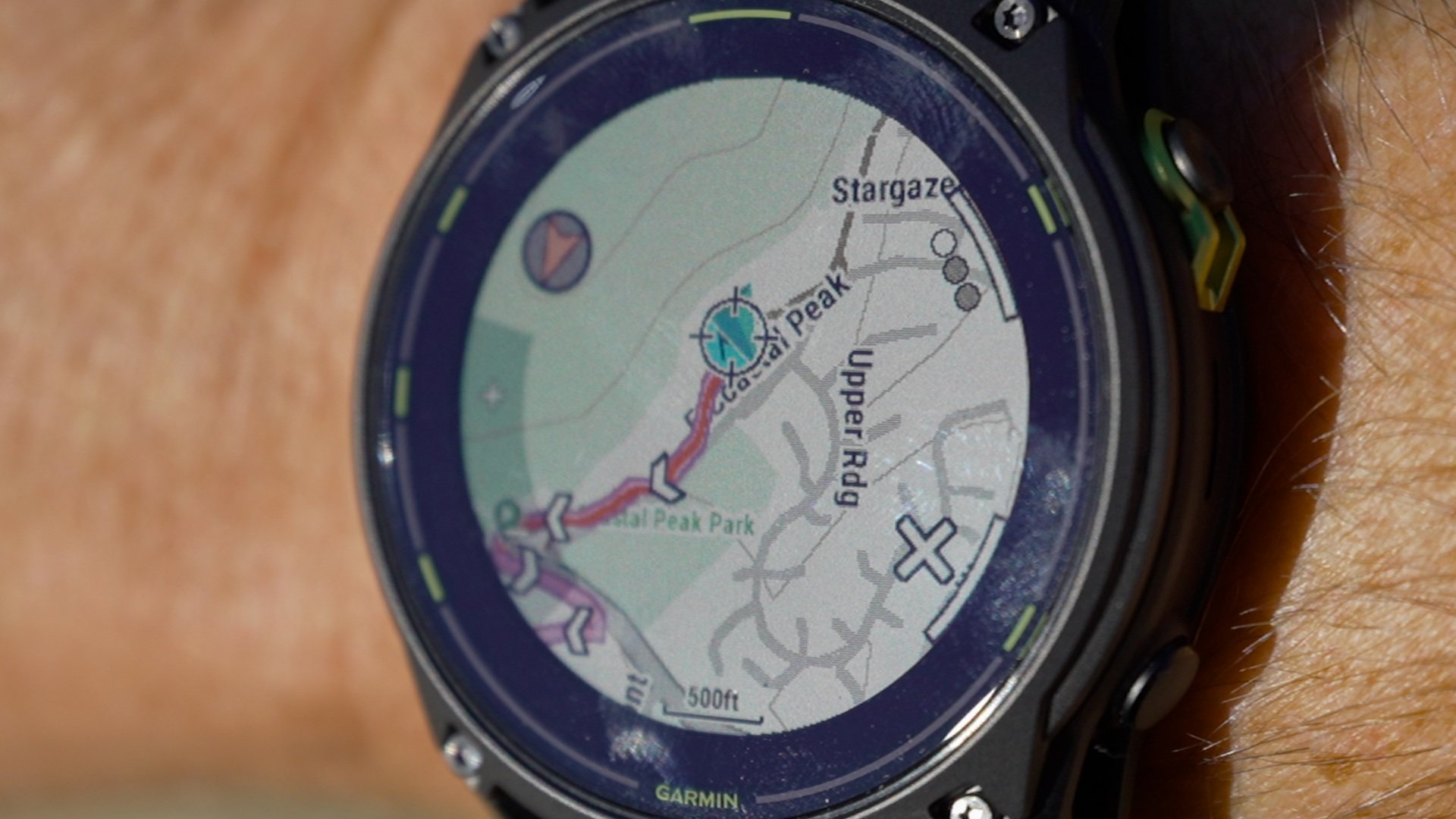
The Enduro 3 has full offline topo maps built in, no phone or connection required. You can check your location, trail lines, elevation shading, and even trail names right from the wrist. It's incredibly useful at trail junctions where you need to confirm direction fast. Maps do drain the battery more than the standard data screens, so I only keep the map view up when I need it.
You can also navigate a course on the watch, which includes getting turn by turn direction prompts, distances to upcoming course points like springs or campsites, and alerts when you go off trail. The downside here again is that it burns battery. It's also not practical to plan a whole day out on the watch itself, so you'll likely use the Garmin Explore or Garmin Connect app to plan the hike out, then sync it to your device. Unfortunately there's not any integration with the FarOut app yet.
If you have a shorter backpacking trip, you can plan courses out for every day, but on a longer thru-hike I'd probably give that a skip and just look at the map when you need it, like at a trail junction. In that case it can also be helpful to make waypoints in Garmin Explore for important locations on your trip and sync to the watch. They will be visible on the map page and you can get a sense of how far they are by glancing at your wrist.
You can do full on-watch navigation, no phone needed. This could be helpful if you need to bail out at some point. Just search the point-of-interest database for things like towns, hospitals, grocery stores, etc. or scroll on the map and tap on a point, and the watch can give you full turn by turn directions to that spot.
Practical Screen
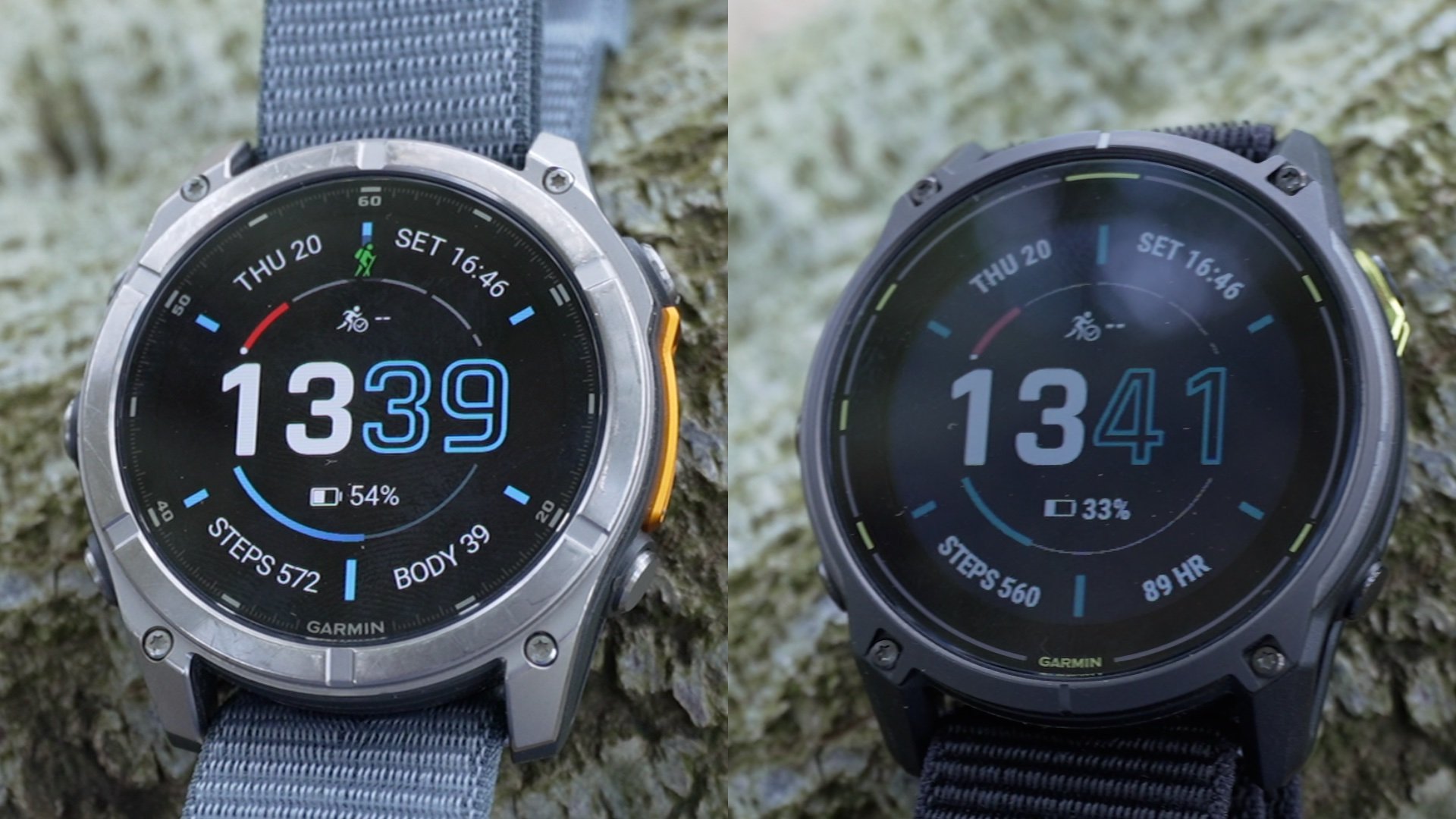
The Enduro 3 uses a transflective MIP screen that’s built for bright, open terrain. The more sunlight you have, the easier it is to see. Unlike some AMOLED watches, the Enduro 3's screen never goes off, so you can look at it anytime without having to wake it up.
However when there isn't ambient light, like in forest shade or darker conditions, you have to engage the backlight, which you can set to come on when you flick your wrist or touch a button. A nice setting is the ability to only engage the backlight after sunset.
Comfort
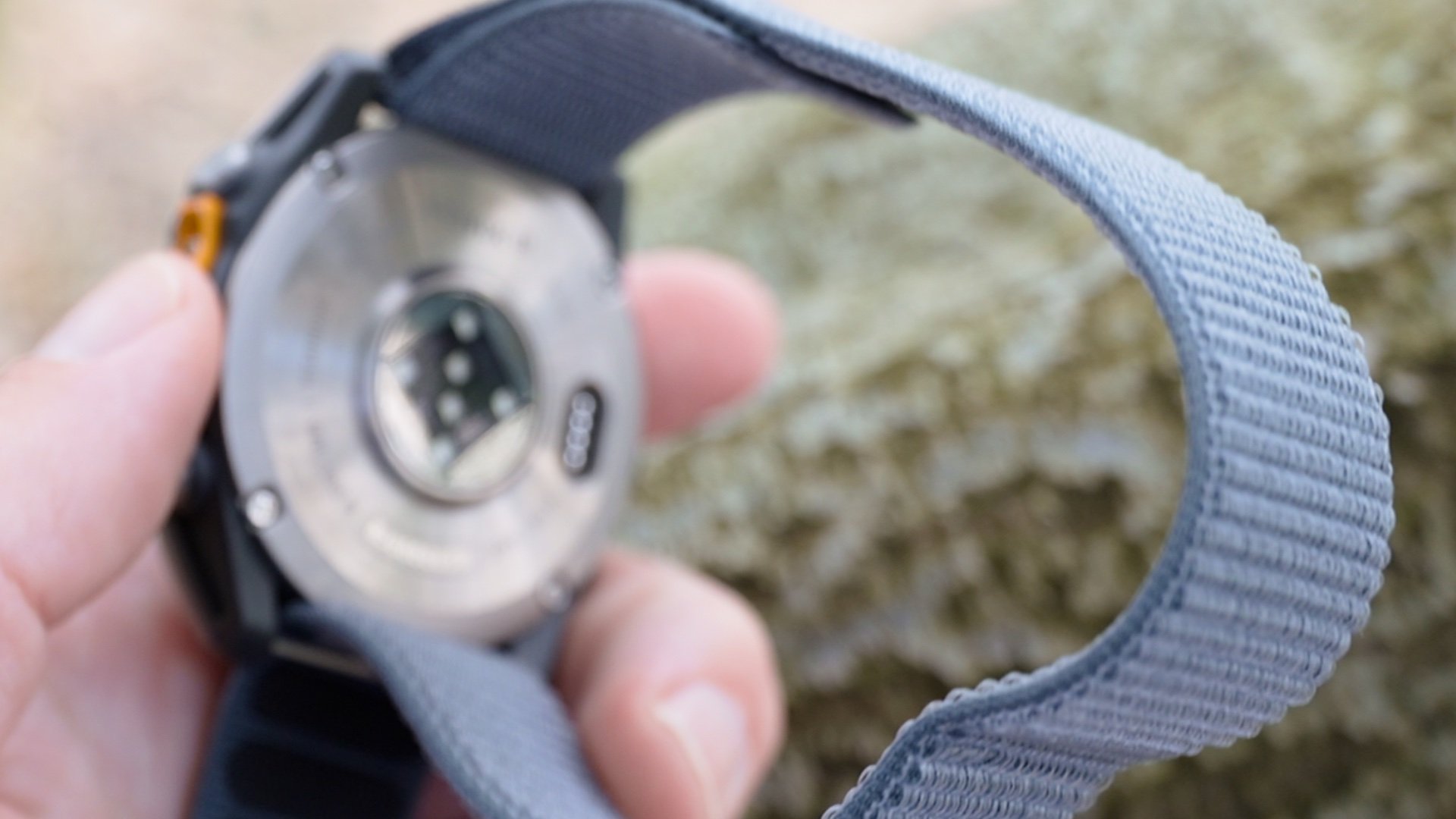
The Enduro 3 has a large 51mm case, but it doesn’t feel bulky on trail. The shape sits flat against your wrist and feels balanced. When I compare it to the slightly heavier Fenix 8, it's night and day when it comes to comfort. The Ultrafit nylon band is a big part of the comfort story. It’s soft, dries quickly, and adjusts easily. This is one of the most comfortable Garmin watches that I've ever used.
Health Features
The Enduro 3 quietly tracks key metrics that matter for multi-day efforts without crushing your battery. You get continuous heart rate, HRV, and sleep tracking, all running in the background with the normal smartwatch-level drain.
Garmin packages this into concepts like "body battery" and "stress," which are useful as a second opinion after you check in with how you actually feel. I’ve had my body battery hit 5 (the lowest you can go without dying) and still knocked out a 25-mile day. For me, the more useful indicators are resting heart rate and HRV. If your resting heart rate is creeping up, you're probably not fully recovering. If your HRV suddenly tanks and it’s not from booze or altitude, it might be your body signaling something’s off.
I treat this stuff as a cross-check. It won’t make your decisions for you, but it’s helpful for spotting trends, and it might be the nudge you need to take a zero instead of pushing it.
Reliability
The Enduro 3 is built for hiking, endurance, and navigation, nothing more, nothing less. It skips the smartwatch features found on watches like the Fenix 8, which means fewer settings to manage and fewer things to go wrong. That simplicity pays off when backpacking for days: the watch stays stable, responsive, and predictable. When you’re days from help, reliability matters more than being able to take a call from your wrist.
Who the Enduro 3 Is For
After weeks of trail use, the takeaway is simple: the Enduro 3 isn’t trying to be everything. It’s trying to be the right tool for the job. And for backpacking and thru-hiking, it hits the mark. It’s comfortable, power-efficient, and built around features that actually matter when you’re deep into a long trail.
I think it’s a great fit for:
- Thru-hikers and backpackers doing multi-day to multi-week trips
- Hikers and outdoors users who value core functionality like health tracking and navigation over smartwatch features
Want something more affordable without the maps? Check out the Instinct 3 Solar.